Buy express24.eu ?
We are moving the project
express24.eu .
Are you interested in purchasing the domain
express24.eu ?
domain@kv-gmbh.de · 0541-91531010
Buy express24.eu ?
What are orchestral arrangements?
Orchestral arrangements refer to the musical composition and organization of a piece of music for an orchestra. This involves determining which instruments will play which parts, as well as the overall structure and dynamics of the piece. Orchestral arrangements can involve adapting a piece of music originally written for a different ensemble or creating a new arrangement of an existing composition. The goal of orchestral arrangements is to showcase the unique timbres and capabilities of the various instruments in the orchestra while creating a cohesive and expressive musical performance. **
What is an orchestral musician?
An orchestral musician is a professional musician who plays a musical instrument as part of an orchestra. They are highly skilled in their instrument and are able to perform a wide range of musical styles and genres. Orchestral musicians work together with other musicians in the orchestra to create a cohesive and harmonious sound, following the direction of a conductor. They often perform in concert halls, theaters, and other venues, bringing music to audiences around the world. **


Similar search terms for Orchestral
Top-Angebote
Products related to Orchestral:
-
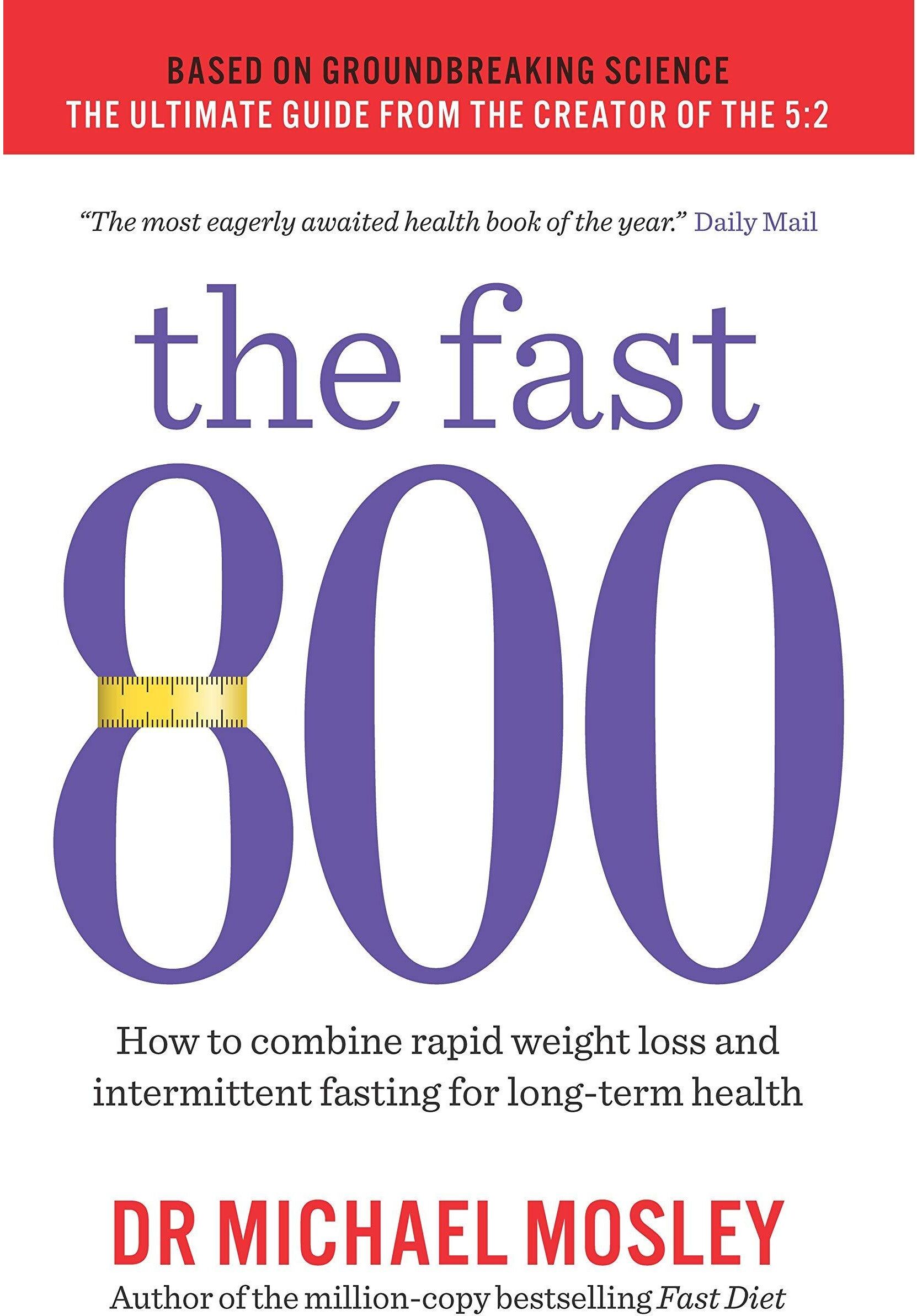
SHORT BOOKS LTD The Fast 800 by Michael Mosley – Rapid Weight Loss & Intermittent Fasting PlanThe Fast 800 Recent studies have shown that 800 calories is the magic number when it comes to successful dieting - it's an amount high enough to be manageable but low enough to speed weight loss and trigger a range of desirable metabolic changes. The secret of this new programme is that it is highly flexible - depending on your goals, you can choose how intensively you want to do it. Along with delicious, low-carb, Mediterranean-style recipes and menu plans by Dr Clare Bailey, The Fast 800 offers an effective way to help you lose weight, improve mood and reduce blood pressure, inflammation and blood sugars. Take your future health into your own hands.4,69 £*Shipping: 1,99 £Secure redirect to the provider
-
Uplift Essentials Quick Nail Gel Polish Remover Fast, Easy And Damage Free Manicure Removal (15ml) Quick Nail Gel Polish Remover Fast, Easy And Damage Free Manicure Removal (15ml)Say goodbye to tedious soaking and harsh scrubbing with this Quick Nail Gel Polish Remover. Designed to dissolve gel polish in just 23 minutes, it makes manicure removal effortless and gentle. Simply apply, wait, and wipe no foil, no wrapping, and...37,97 $*Shipping: 0,00 $Secure redirect to the provider
-
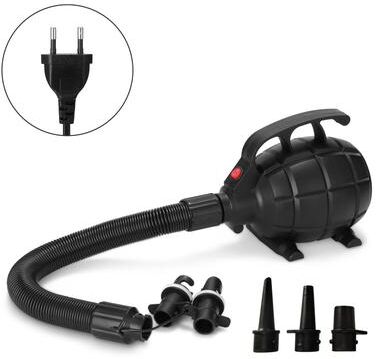
Friendly Fresh Finds Portable Air Pump For Air Beds, Mattresses, And Camping Gear Compact, Efficient, And Quick Inflation Tool Portable Air Pump For Air Beds, Mattresses, And Camping Gear Compact, Efficient, And Quick Inflation ToolInflating air beds, mats, and other camping gear just got easier! This portable air pump is the ultimate solution for fast and efficient inflation, making it ideal for home, outdoor adventures, and travel. Its compact design ensures its always at...99,97 $*Shipping: 0,00 $Secure redirect to the provider


-
What are orchestral cyclic large forms?
Orchestral cyclic large forms are musical compositions that consist of multiple movements or sections that are thematically related and interconnected. These forms often feature recurring motifs or themes that unify the different parts of the composition. The cyclic nature of these forms allows for a sense of cohesion and continuity throughout the entire piece. Examples of orchestral cyclic large forms include symphonies, concertos, and tone poems. **
-
How can one compose virtual orchestral music?
To compose virtual orchestral music, one can start by choosing a digital audio workstation (DAW) software that supports orchestral sample libraries. Next, select high-quality orchestral sample libraries that include a variety of instruments such as strings, brass, woodwinds, and percussion. Then, familiarize oneself with the different articulations and techniques available for each instrument to create realistic and expressive performances. Finally, arrange the orchestral parts, paying attention to dynamics, phrasing, and balance to achieve a cohesive and emotive composition. **
-
How can one compose orchestral digital music?
To compose orchestral digital music, one can start by selecting a digital audio workstation (DAW) software that supports orchestral sounds and instruments. Next, they can choose high-quality orchestral sample libraries or virtual instruments to create realistic orchestral sounds. It is important to have a good understanding of orchestration and music theory to effectively arrange the different instruments in the composition. Experimenting with different combinations of instruments, melodies, harmonies, and rhythms can help in creating a dynamic and engaging orchestral piece. **
-
What is the orchestral instrumentation in classical music?
Orchestral instrumentation in classical music typically includes four main families of instruments: strings (violins, violas, cellos, double basses), woodwinds (flutes, oboes, clarinets, bassoons), brass (trumpets, French horns, trombones, tuba), and percussion (timpani, snare drum, cymbals). Each family of instruments plays a unique role in creating the rich and diverse sound of the orchestra. The combination of these instruments allows composers to create a wide range of textures and dynamics in their compositions, making orchestral music one of the most versatile and expressive forms of music. **

What is the orchestral lineup in classical music?
The orchestral lineup in classical music typically consists of four main sections: strings, woodwinds, brass, and percussion. Each section is made up of various instruments, with the strings section including instruments such as violins, violas, cellos, and double basses; the woodwinds section including instruments like flutes, clarinets, oboes, and bassoons; the brass section including instruments like trumpets, trombones, French horns, and tubas; and the percussion section including instruments like timpani, snare drums, cymbals, and xylophones. Additionally, some orchestras may also include other instruments such as harps, keyboards, and additional percussion instruments. **
Can you please give a presentation about orchestral instruments?
Orchestral instruments are divided into four main families: strings, woodwinds, brass, and percussion. String instruments include the violin, viola, cello, and double bass, which produce sound by vibrating strings. Woodwind instruments, such as the flute, clarinet, and oboe, create sound by blowing air through a mouthpiece. Brass instruments like the trumpet, trombone, and French horn produce sound by buzzing lips into a mouthpiece. Percussion instruments, including the timpani, snare drum, and cymbals, produce sound by being struck or shaken. Each family of instruments plays a unique role in an orchestra, coming together to create a harmonious and dynamic musical experience. **
Top-Angebote
Products related to Orchestral:
-
HQ Speedy BOSH! Book – Quick Easy Plant-Based Recipe CollectionDelicious Easy Vegan Meals, 30 Minute Vegan Recipes Book, Speedy BOSH - 30 Minutes Plant Based Meals - Henry Firth, Ian Theasby BOSH! are back with over 100 mouthwatering plant-based dishes you can get on the table in 30 minutes or less. The fourth cookery book from Sunday Times No.1 bestselling authors Henry and Ian, aka ‘the vegan Jamie Olivers’, packed with outrageously tasty, super speedy dishes made without meat, eggs or dairy, perfect for weeknight dinners after a long day, fast breakfasts to supercharge the family, or Sunday meal prep for the week ahead. In just 30 minutes flat, you’ll be creating fragrant curries, hearty stews, comfort food for cold nights (just have a taste of the Ultimate Vegan Mac and Cheese!), indulgent puds, delicious rice and noodle dishes, and one-pan wonders. No fancy kit, no out-there ingredients. You’ll be able to get all the bits and pieces you need from your nearest major supermarket. Everything has been tried and tested and is bursting with flavour. Let vegan food never be called bland, because – honestly? – this might just be their tastiest collection of recipes yet as well as their quickest. tags;speedy bosh3,50 £*Shipping: 1,99 £Secure redirect to the provider
-
SHORT BOOKS LTD The Fast 800 by Michael Mosley – Rapid Weight Loss & Intermittent Fasting PlanThe Fast 800 Recent studies have shown that 800 calories is the magic number when it comes to successful dieting - it's an amount high enough to be manageable but low enough to speed weight loss and trigger a range of desirable metabolic changes. The secret of this new programme is that it is highly flexible - depending on your goals, you can choose how intensively you want to do it. Along with delicious, low-carb, Mediterranean-style recipes and menu plans by Dr Clare Bailey, The Fast 800 offers an effective way to help you lose weight, improve mood and reduce blood pressure, inflammation and blood sugars. Take your future health into your own hands.4,69 £*Shipping: 1,99 £Secure redirect to the provider
-
What are orchestral arrangements?
Orchestral arrangements refer to the musical composition and organization of a piece of music for an orchestra. This involves determining which instruments will play which parts, as well as the overall structure and dynamics of the piece. Orchestral arrangements can involve adapting a piece of music originally written for a different ensemble or creating a new arrangement of an existing composition. The goal of orchestral arrangements is to showcase the unique timbres and capabilities of the various instruments in the orchestra while creating a cohesive and expressive musical performance. **
-
What is an orchestral musician?
An orchestral musician is a professional musician who plays a musical instrument as part of an orchestra. They are highly skilled in their instrument and are able to perform a wide range of musical styles and genres. Orchestral musicians work together with other musicians in the orchestra to create a cohesive and harmonious sound, following the direction of a conductor. They often perform in concert halls, theaters, and other venues, bringing music to audiences around the world. **
-
What are orchestral cyclic large forms?
Orchestral cyclic large forms are musical compositions that consist of multiple movements or sections that are thematically related and interconnected. These forms often feature recurring motifs or themes that unify the different parts of the composition. The cyclic nature of these forms allows for a sense of cohesion and continuity throughout the entire piece. Examples of orchestral cyclic large forms include symphonies, concertos, and tone poems. **
-
How can one compose virtual orchestral music?
To compose virtual orchestral music, one can start by choosing a digital audio workstation (DAW) software that supports orchestral sample libraries. Next, select high-quality orchestral sample libraries that include a variety of instruments such as strings, brass, woodwinds, and percussion. Then, familiarize oneself with the different articulations and techniques available for each instrument to create realistic and expressive performances. Finally, arrange the orchestral parts, paying attention to dynamics, phrasing, and balance to achieve a cohesive and emotive composition. **
Similar search terms for Orchestral
-
Uplift Essentials Quick Nail Gel Polish Remover Fast, Easy And Damage Free Manicure Removal (15ml) Quick Nail Gel Polish Remover Fast, Easy And Damage Free Manicure Removal (15ml)Say goodbye to tedious soaking and harsh scrubbing with this Quick Nail Gel Polish Remover. Designed to dissolve gel polish in just 23 minutes, it makes manicure removal effortless and gentle. Simply apply, wait, and wipe no foil, no wrapping, and...37,97 $*Shipping: 0,00 $Secure redirect to the provider
-
Friendly Fresh Finds Portable Air Pump For Air Beds, Mattresses, And Camping Gear Compact, Efficient, And Quick Inflation Tool Portable Air Pump For Air Beds, Mattresses, And Camping Gear Compact, Efficient, And Quick Inflation ToolInflating air beds, mats, and other camping gear just got easier! This portable air pump is the ultimate solution for fast and efficient inflation, making it ideal for home, outdoor adventures, and travel. Its compact design ensures its always at...99,97 $*Shipping: 0,00 $Secure redirect to the provider
-
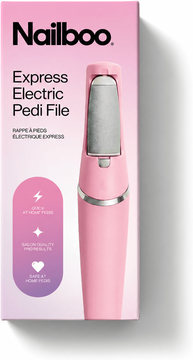
Nailboo Express Electric Pedicure FileAchieve salon-quality smoothness with the Express Electric Pedi File, designed to effortlessly buff away dry, calloused skin for a professional finish at home. The high-speed rotating roller heads work instantly to exfoliate rough patches, while the...21,99 $*Shipping: 0,00 $Secure redirect to the provider
-
How can one compose orchestral digital music?
To compose orchestral digital music, one can start by selecting a digital audio workstation (DAW) software that supports orchestral sounds and instruments. Next, they can choose high-quality orchestral sample libraries or virtual instruments to create realistic orchestral sounds. It is important to have a good understanding of orchestration and music theory to effectively arrange the different instruments in the composition. Experimenting with different combinations of instruments, melodies, harmonies, and rhythms can help in creating a dynamic and engaging orchestral piece. **
-
What is the orchestral instrumentation in classical music?
Orchestral instrumentation in classical music typically includes four main families of instruments: strings (violins, violas, cellos, double basses), woodwinds (flutes, oboes, clarinets, bassoons), brass (trumpets, French horns, trombones, tuba), and percussion (timpani, snare drum, cymbals). Each family of instruments plays a unique role in creating the rich and diverse sound of the orchestra. The combination of these instruments allows composers to create a wide range of textures and dynamics in their compositions, making orchestral music one of the most versatile and expressive forms of music. **
-
What is the orchestral lineup in classical music?
The orchestral lineup in classical music typically consists of four main sections: strings, woodwinds, brass, and percussion. Each section is made up of various instruments, with the strings section including instruments such as violins, violas, cellos, and double basses; the woodwinds section including instruments like flutes, clarinets, oboes, and bassoons; the brass section including instruments like trumpets, trombones, French horns, and tubas; and the percussion section including instruments like timpani, snare drums, cymbals, and xylophones. Additionally, some orchestras may also include other instruments such as harps, keyboards, and additional percussion instruments. **
-
Can you please give a presentation about orchestral instruments?
Orchestral instruments are divided into four main families: strings, woodwinds, brass, and percussion. String instruments include the violin, viola, cello, and double bass, which produce sound by vibrating strings. Woodwind instruments, such as the flute, clarinet, and oboe, create sound by blowing air through a mouthpiece. Brass instruments like the trumpet, trombone, and French horn produce sound by buzzing lips into a mouthpiece. Percussion instruments, including the timpani, snare drum, and cymbals, produce sound by being struck or shaken. Each family of instruments plays a unique role in an orchestra, coming together to create a harmonious and dynamic musical experience. **
* All prices are inclusive of VAT and, if applicable, plus shipping costs. The offer information is based on the details provided by the respective shop and is updated through automated processes. Real-time updates do not occur, so deviations can occur in individual cases. ** Note: Parts of this content were created by AI.