Buy express24.eu ?
We are moving the project
express24.eu .
Are you interested in purchasing the domain
express24.eu ?
domain@kv-gmbh.de · 0541-91531010
Buy express24.eu ?
Are wages liabilities?
Yes, wages are considered liabilities for a company because they represent an obligation to pay employees for their work. From an accounting perspective, wages are typically recorded as a liability on the company's balance sheet until they are paid to the employees. This reflects the company's obligation to fulfill its financial commitments to its employees. Therefore, wages are classified as a liability until they are settled. **
What are liabilities and receivables?
Liabilities are obligations or debts that a company owes to external parties, such as loans, accounts payable, or accrued expenses. They represent the company's financial responsibilities that must be settled in the future. Receivables, on the other hand, are amounts owed to a company by its customers or other parties for goods or services provided. They represent the company's right to receive payment and are considered assets on the company's balance sheet. Both liabilities and receivables are important components of a company's financial position and are crucial for assessing its overall financial health. **


Similar search terms for Liabilities
Top-Angebote
Products related to Liabilities:
-
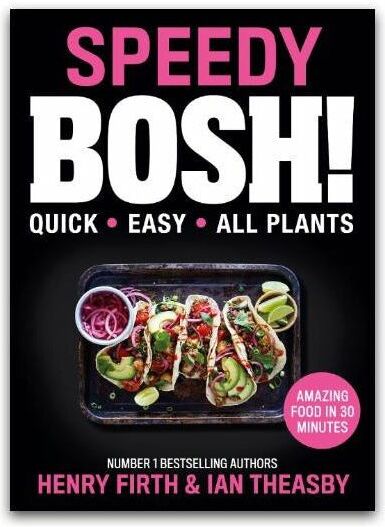
HQ Speedy BOSH! Book – Quick Easy Plant-Based Recipe CollectionDelicious Easy Vegan Meals, 30 Minute Vegan Recipes Book, Speedy BOSH - 30 Minutes Plant Based Meals - Henry Firth, Ian Theasby BOSH! are back with over 100 mouthwatering plant-based dishes you can get on the table in 30 minutes or less. The fourth cookery book from Sunday Times No.1 bestselling authors Henry and Ian, aka ‘the vegan Jamie Olivers’, packed with outrageously tasty, super speedy dishes made without meat, eggs or dairy, perfect for weeknight dinners after a long day, fast breakfasts to supercharge the family, or Sunday meal prep for the week ahead. In just 30 minutes flat, you’ll be creating fragrant curries, hearty stews, comfort food for cold nights (just have a taste of the Ultimate Vegan Mac and Cheese!), indulgent puds, delicious rice and noodle dishes, and one-pan wonders. No fancy kit, no out-there ingredients. You’ll be able to get all the bits and pieces you need from your nearest major supermarket. Everything has been tried and tested and is bursting with flavour. Let vegan food never be called bland, because – honestly? – this might just be their tastiest collection of recipes yet as well as their quickest. tags;speedy bosh3,50 £*Shipping: 1,99 £Secure redirect to the provider
-
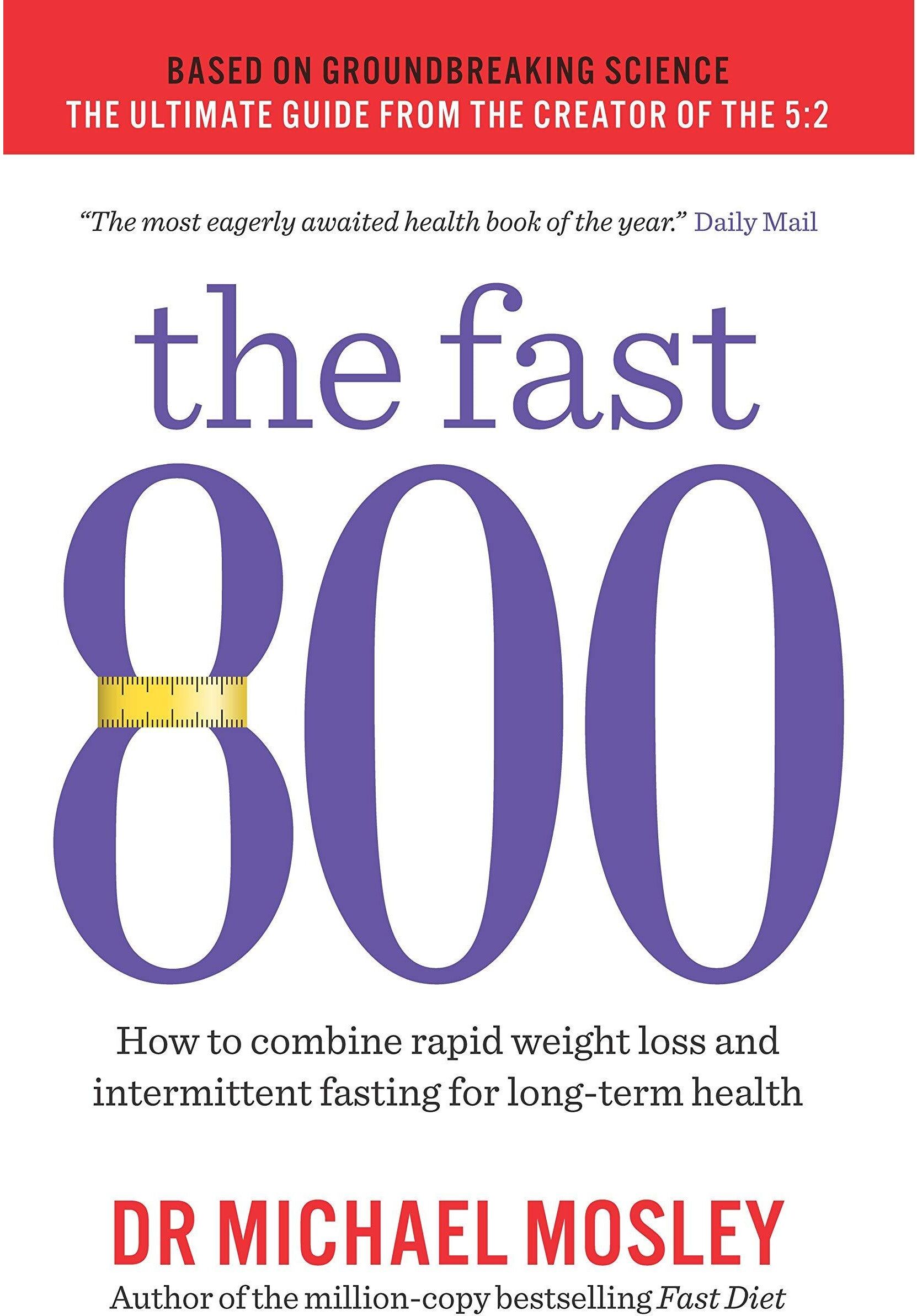
SHORT BOOKS LTD The Fast 800 by Michael Mosley – Rapid Weight Loss & Intermittent Fasting PlanThe Fast 800 Recent studies have shown that 800 calories is the magic number when it comes to successful dieting - it's an amount high enough to be manageable but low enough to speed weight loss and trigger a range of desirable metabolic changes. The secret of this new programme is that it is highly flexible - depending on your goals, you can choose how intensively you want to do it. Along with delicious, low-carb, Mediterranean-style recipes and menu plans by Dr Clare Bailey, The Fast 800 offers an effective way to help you lose weight, improve mood and reduce blood pressure, inflammation and blood sugars. Take your future health into your own hands.4,69 £*Shipping: 1,99 £Secure redirect to the provider
-
Uplift Essentials Quick Nail Gel Polish Remover Fast, Easy And Damage Free Manicure Removal (15ml) Quick Nail Gel Polish Remover Fast, Easy And Damage Free Manicure Removal (15ml)Say goodbye to tedious soaking and harsh scrubbing with this Quick Nail Gel Polish Remover. Designed to dissolve gel polish in just 23 minutes, it makes manicure removal effortless and gentle. Simply apply, wait, and wipe no foil, no wrapping, and...37,97 $*Shipping: 0,00 $Secure redirect to the provider
-
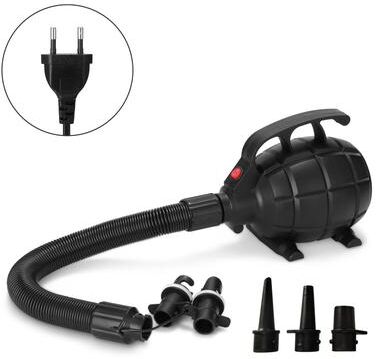
Friendly Fresh Finds Portable Air Pump For Air Beds, Mattresses, And Camping Gear Compact, Efficient, And Quick Inflation Tool Portable Air Pump For Air Beds, Mattresses, And Camping Gear Compact, Efficient, And Quick Inflation ToolInflating air beds, mats, and other camping gear just got easier! This portable air pump is the ultimate solution for fast and efficient inflation, making it ideal for home, outdoor adventures, and travel. Its compact design ensures its always at...99,97 $*Shipping: 0,00 $Secure redirect to the provider

-
Why is equity on the liabilities side?
Equity is placed on the liabilities side of the balance sheet because it represents the claims of the company's owners or shareholders on the company's assets. It is considered a liability because the company has an obligation to its owners to repay their investment in the business. However, unlike other liabilities, equity does not have a fixed repayment schedule and is considered a residual claim, meaning it is only paid out after all other liabilities have been settled. Therefore, equity is categorized as a liability on the balance sheet to accurately reflect the financial obligations of the company. **
-
What are transitory assets and/or liabilities?
Transitory assets and/or liabilities are items on a company's balance sheet that are expected to be settled or used up within a relatively short period of time, typically within one year. These items are considered to be temporary in nature and are not expected to have a long-term impact on the company's financial position. Examples of transitory assets include cash, accounts receivable, and inventory, while examples of transitory liabilities include accounts payable and short-term debt. It is important for investors and analysts to understand the nature of these transitory items when evaluating a company's financial health and performance. **
-
How are the assets and liabilities evaluated?
Assets and liabilities are evaluated based on their current market value or book value. For assets, this means determining their fair market value, which is the price that they could be sold for in the current market. Liabilities are evaluated based on their current outstanding balance or the amount that is owed. This evaluation helps to determine the financial health and position of a company, as well as its ability to meet its financial obligations. **
-
What is the difference between receivables and liabilities?
Receivables are amounts owed to a company by its customers or other parties for goods or services provided, while liabilities are obligations or debts that a company owes to its creditors or other parties. In other words, receivables represent money that is owed to the company, while liabilities represent money that the company owes to others. Receivables are considered assets on the company's balance sheet, while liabilities are recorded as obligations or debts. **


What is a statement of assets and liabilities?
A statement of assets and liabilities is a financial document that provides a snapshot of an individual's or organization's financial position at a specific point in time. It lists all the assets, such as cash, investments, property, and equipment, as well as all the liabilities, such as loans, mortgages, and other debts. The statement helps to assess the overall financial health and solvency of the entity by comparing the total assets to the total liabilities. It is an essential tool for financial planning, decision-making, and assessing the ability to meet financial obligations. **
How can liabilities be settled in other ways?
Liabilities can be settled in other ways through various means such as debt restructuring, where the terms of the debt are renegotiated to make it more manageable for the debtor. Another way is through debt-for-equity swaps, where the creditor agrees to convert the debt into an ownership stake in the debtor's company. Additionally, liabilities can be settled through the sale of assets, where the debtor sells off assets to generate cash to pay off the liabilities. Finally, some liabilities can be settled through the issuance of new debt to replace the existing liabilities, known as refinancing. **
Top-Angebote
Products related to Liabilities:
-
Avon Ultra Colour 60 Second Express quick-drying nail polish shade Think Fast Pink 10 mlAvon Ultra Colour 60 Second Express, 10 ml, Nails for Women, A gorgeous manicure as though you’d just left the nail salon? The Avon Ultra Colour 60 Second Express nail polish lets you achieve it in the comfort of your own home. It coats the surface of the nail with a continuous layer of long-lasting, intense colour with a glossy finish, helping to give your nails a manicured, perfectly groomed look. You can use it to accentuate your nails or perhaps to enhance your outfit and style. So which colour will you choose to make your nails pop? Characteristics: bright, rich colour easy to apply long-lasting How to use: Apply the polish using a brush for polish-free, degreased nails. For best results, apply two layers.3,96 £*Shipping: 3,99 £Secure redirect to the provider
-
HQ Speedy BOSH! Book – Quick Easy Plant-Based Recipe CollectionDelicious Easy Vegan Meals, 30 Minute Vegan Recipes Book, Speedy BOSH - 30 Minutes Plant Based Meals - Henry Firth, Ian Theasby BOSH! are back with over 100 mouthwatering plant-based dishes you can get on the table in 30 minutes or less. The fourth cookery book from Sunday Times No.1 bestselling authors Henry and Ian, aka ‘the vegan Jamie Olivers’, packed with outrageously tasty, super speedy dishes made without meat, eggs or dairy, perfect for weeknight dinners after a long day, fast breakfasts to supercharge the family, or Sunday meal prep for the week ahead. In just 30 minutes flat, you’ll be creating fragrant curries, hearty stews, comfort food for cold nights (just have a taste of the Ultimate Vegan Mac and Cheese!), indulgent puds, delicious rice and noodle dishes, and one-pan wonders. No fancy kit, no out-there ingredients. You’ll be able to get all the bits and pieces you need from your nearest major supermarket. Everything has been tried and tested and is bursting with flavour. Let vegan food never be called bland, because – honestly? – this might just be their tastiest collection of recipes yet as well as their quickest. tags;speedy bosh3,50 £*Shipping: 1,99 £Secure redirect to the provider
-
SHORT BOOKS LTD The Fast 800 by Michael Mosley – Rapid Weight Loss & Intermittent Fasting PlanThe Fast 800 Recent studies have shown that 800 calories is the magic number when it comes to successful dieting - it's an amount high enough to be manageable but low enough to speed weight loss and trigger a range of desirable metabolic changes. The secret of this new programme is that it is highly flexible - depending on your goals, you can choose how intensively you want to do it. Along with delicious, low-carb, Mediterranean-style recipes and menu plans by Dr Clare Bailey, The Fast 800 offers an effective way to help you lose weight, improve mood and reduce blood pressure, inflammation and blood sugars. Take your future health into your own hands.4,69 £*Shipping: 1,99 £Secure redirect to the provider
-
Are wages liabilities?
Yes, wages are considered liabilities for a company because they represent an obligation to pay employees for their work. From an accounting perspective, wages are typically recorded as a liability on the company's balance sheet until they are paid to the employees. This reflects the company's obligation to fulfill its financial commitments to its employees. Therefore, wages are classified as a liability until they are settled. **
-
What are liabilities and receivables?
Liabilities are obligations or debts that a company owes to external parties, such as loans, accounts payable, or accrued expenses. They represent the company's financial responsibilities that must be settled in the future. Receivables, on the other hand, are amounts owed to a company by its customers or other parties for goods or services provided. They represent the company's right to receive payment and are considered assets on the company's balance sheet. Both liabilities and receivables are important components of a company's financial position and are crucial for assessing its overall financial health. **
-
Why is equity on the liabilities side?
Equity is placed on the liabilities side of the balance sheet because it represents the claims of the company's owners or shareholders on the company's assets. It is considered a liability because the company has an obligation to its owners to repay their investment in the business. However, unlike other liabilities, equity does not have a fixed repayment schedule and is considered a residual claim, meaning it is only paid out after all other liabilities have been settled. Therefore, equity is categorized as a liability on the balance sheet to accurately reflect the financial obligations of the company. **
-
What are transitory assets and/or liabilities?
Transitory assets and/or liabilities are items on a company's balance sheet that are expected to be settled or used up within a relatively short period of time, typically within one year. These items are considered to be temporary in nature and are not expected to have a long-term impact on the company's financial position. Examples of transitory assets include cash, accounts receivable, and inventory, while examples of transitory liabilities include accounts payable and short-term debt. It is important for investors and analysts to understand the nature of these transitory items when evaluating a company's financial health and performance. **
Similar search terms for Liabilities
-
Uplift Essentials Quick Nail Gel Polish Remover Fast, Easy And Damage Free Manicure Removal (15ml) Quick Nail Gel Polish Remover Fast, Easy And Damage Free Manicure Removal (15ml)Say goodbye to tedious soaking and harsh scrubbing with this Quick Nail Gel Polish Remover. Designed to dissolve gel polish in just 23 minutes, it makes manicure removal effortless and gentle. Simply apply, wait, and wipe no foil, no wrapping, and...37,97 $*Shipping: 0,00 $Secure redirect to the provider
-
Friendly Fresh Finds Portable Air Pump For Air Beds, Mattresses, And Camping Gear Compact, Efficient, And Quick Inflation Tool Portable Air Pump For Air Beds, Mattresses, And Camping Gear Compact, Efficient, And Quick Inflation ToolInflating air beds, mats, and other camping gear just got easier! This portable air pump is the ultimate solution for fast and efficient inflation, making it ideal for home, outdoor adventures, and travel. Its compact design ensures its always at...99,97 $*Shipping: 0,00 $Secure redirect to the provider
-
How are the assets and liabilities evaluated?
Assets and liabilities are evaluated based on their current market value or book value. For assets, this means determining their fair market value, which is the price that they could be sold for in the current market. Liabilities are evaluated based on their current outstanding balance or the amount that is owed. This evaluation helps to determine the financial health and position of a company, as well as its ability to meet its financial obligations. **
-
What is the difference between receivables and liabilities?
Receivables are amounts owed to a company by its customers or other parties for goods or services provided, while liabilities are obligations or debts that a company owes to its creditors or other parties. In other words, receivables represent money that is owed to the company, while liabilities represent money that the company owes to others. Receivables are considered assets on the company's balance sheet, while liabilities are recorded as obligations or debts. **
-
What is a statement of assets and liabilities?
A statement of assets and liabilities is a financial document that provides a snapshot of an individual's or organization's financial position at a specific point in time. It lists all the assets, such as cash, investments, property, and equipment, as well as all the liabilities, such as loans, mortgages, and other debts. The statement helps to assess the overall financial health and solvency of the entity by comparing the total assets to the total liabilities. It is an essential tool for financial planning, decision-making, and assessing the ability to meet financial obligations. **
-
How can liabilities be settled in other ways?
Liabilities can be settled in other ways through various means such as debt restructuring, where the terms of the debt are renegotiated to make it more manageable for the debtor. Another way is through debt-for-equity swaps, where the creditor agrees to convert the debt into an ownership stake in the debtor's company. Additionally, liabilities can be settled through the sale of assets, where the debtor sells off assets to generate cash to pay off the liabilities. Finally, some liabilities can be settled through the issuance of new debt to replace the existing liabilities, known as refinancing. **
* All prices are inclusive of VAT and, if applicable, plus shipping costs. The offer information is based on the details provided by the respective shop and is updated through automated processes. Real-time updates do not occur, so deviations can occur in individual cases. ** Note: Parts of this content were created by AI.